SE6 house removals checklist for Catford residents
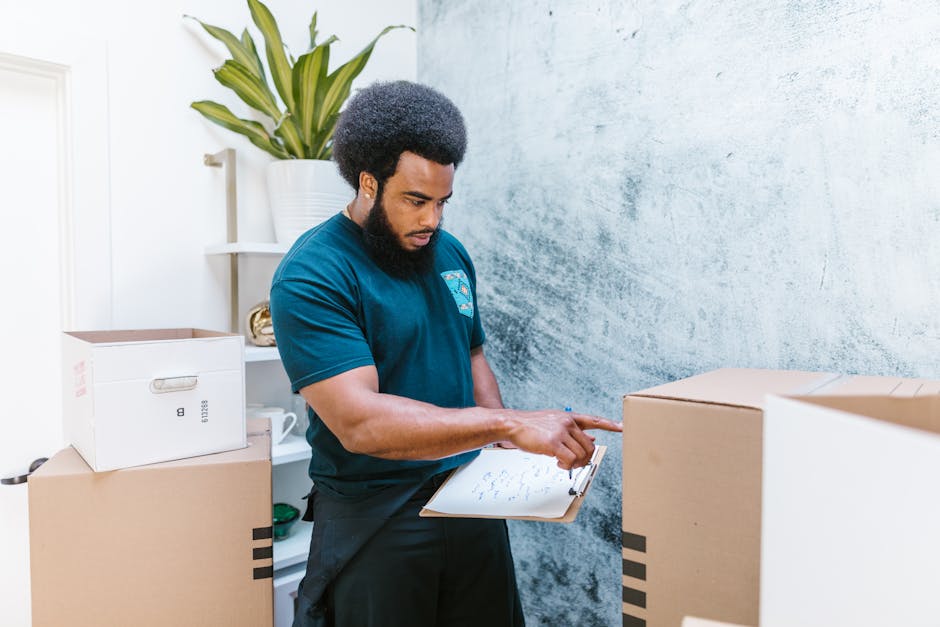
Moving home in SE6 can feel like a lot all at once: boxes in the hallway, keys to hand back, the last kettle packed away, and a phone buzzing with one more thing you forgot. A solid SE6 house removals checklist for Catford residents turns that chaos into something manageable. Not glamorous, maybe. Very effective, absolutely.
This guide walks you through the full process in plain English: what the checklist covers, why it matters in Catford, how to use it properly, and the mistakes that usually cause avoidable stress on moving day. You'll also find a practical step-by-step plan, a comparison table, a real-world example, and a checklist you can actually follow without needing three cups of tea just to start.
If you're planning a family move, a first flat, or a larger house relocation, the aim is simple: help you stay organised, protect your belongings, and keep moving day from turning into a scramble.
Why SE6 house removals checklist for Catford residents Matters
Catford moves often look simple from the outside. But once you start dealing with parking, narrow hallways, stairwells, packed streets, or a property that has been lived in for years, the details matter. A checklist keeps the big picture in view and stops the small jobs from slipping through the cracks.
For SE6 residents, that matters for a few practical reasons. Many homes in the area have mixed access conditions, and every property is a little different. You may have a driveway, or you may need to manage street parking and timed loading. You may be leaving a flat, where lift access and shared corridors slow everything down. You may be moving from a family house where the challenge is less about the route out and more about the sheer volume of things you've accumulated over time.
In our experience, the biggest issue isn't usually the packing itself. It's the missed details: no label on the box with the charger, the meter reading forgotten, or the sofa measured too late. A proper removals checklist reduces those moments. And to be fair, that's what people really want from a moving plan: fewer surprises.
How SE6 house removals checklist for Catford residents Works
The checklist works best when you treat it as a timeline rather than a one-off to-do list. Some tasks happen weeks before the move, some the day before, and a few only on the morning itself. If everything is dumped into one giant list, it feels heavy and gets ignored. Split it into stages and it suddenly becomes useful.
Think of it like this:
- Planning stage: decide your moving date, book your removals support, and begin sorting what comes with you.
- Preparation stage: pack non-essential items, arrange utilities, confirm access and parking details, and protect furniture.
- Final stage: finish the essentials, label everything clearly, confirm timings, and do a final property check.
If you are using a professional team, the checklist helps you brief them properly. It also helps you compare different types of moving support. For example, a full house removals service is a different job from a smaller move handled through a man with van option, and the checklist tells you which route fits your situation better.
That's the real value here: the checklist is not just for packing. It helps you make decisions before the move becomes expensive, rushed, or both.
Key Benefits and Practical Advantages
A good house moving checklist does more than keep you neat and organised. It protects your time, your belongings, and your sanity. Which, let's face it, can be in shorter supply than boxes on moving day.
- Less last-minute panic: when you've already noted the key jobs, you're not running around for tape at 9 p.m.
- Better packing: room-by-room packing is faster to unpack and far less frustrating.
- Fewer damaged items: you're more likely to wrap fragile possessions properly and keep heavy items separate.
- Clearer moving day timings: if access, parking, and loading are planned, the move tends to run more smoothly.
- Cleaner handover: you're more likely to remember meter readings, keys, and final checks.
- Better cost control: preparation often helps you avoid paying for avoidable delays or extra handling time.
There's also a quieter benefit: a checklist gives you mental breathing room. Once the essential items are written down, you stop trying to carry them all in your head. That sounds small. It isn't.
Who This Is For and When It Makes Sense
This checklist is useful for almost anyone moving in SE6, but it becomes especially valuable in a few situations.
Families moving from a full house
When you're moving with children, school schedules, uniforms, toys, bikes, and maybe a dog that senses everything is happening before you do, a checklist keeps the practical side under control. It helps you divide tasks by room and by priority, which is a lot easier than trying to do everything at once.
People moving from a flat
If you're leaving a second-floor flat, a maisonette, or a property with shared access, you need to plan lifts, stairs, and loading time carefully. A flat removals service may suit this kind of move better than a basic transport-only option, especially where access is tight.
Busy professionals with limited time
Not everyone can spend two weeks wrapping mugs and searching for spare keys. If your work is demanding or you're relocating under time pressure, the checklist helps you work backwards from moving day and avoid making every decision on the fly.
Students and first-time movers
People moving for the first time often underestimate how many tiny jobs sit around a house move. Student moves can be deceptively busy too: books, tech, small furniture, bedding, and paperwork all need a home. In those cases, a focused service such as student removals can be a sensible fit.
Anyone with bulky, fragile, or awkward items
Pianos, mirrors, artwork, antique furniture, and awkward wardrobes all need more care than a standard box-and-load approach. If you have items like that, it may be worth looking at dedicated support such as piano removals or a more tailored moving plan.
Step-by-Step Guidance
The easiest way to use a removals checklist is to work from the farthest point back to the moving date. Here's a practical structure that works well for most SE6 house moves.
1. Six to four weeks before moving day
Start with the basics. Confirm your move date, decide what you're taking, and book the type of moving help you need. This is also the right time to begin decluttering. If you haven't used something in years, be honest about it. No one needs four broken umbrellas and a drawer full of mystery cables.
- Confirm your moving date and new address.
- Book removals support early if possible.
- Measure larger furniture against the new property.
- Start sorting keep, donate, recycle, or dispose piles.
- Collect boxes, tape, markers, and wrapping materials.
If you expect to need temporary holding space, think ahead now rather than after the van is already loaded. A secure storage option can help if completion dates are awkward or furniture won't fit straight away.
2. Three weeks before moving day
This is the stage where your move starts becoming real. Pack items you rarely use, then gradually move to everyday items. Do not leave all the "small" jobs for the end; small jobs are sneaky. They become giant jobs after 6 p.m. the night before.
- Label boxes by room and contents.
- Pack seasonal clothing and spare bedding.
- Separate valuables, documents, and essentials.
- Book time off work if needed.
- Check whether parking or access restrictions apply at either property.
3. One to two weeks before moving day
Now focus on confirmation and protection. Confirm arrival times, vehicle access, and any special instructions for the movers. If you've booked a larger vehicle or a dedicated team, ensure that the property access suits the plan. For bigger moves, a proper moving truck may be more efficient than repeated trips in a smaller vehicle.
- Finish most room-by-room packing.
- Wrap fragile items securely.
- Disconnect non-essential appliances safely.
- Prepare a box of essentials for the first night.
- Label where each box should go in the new home.
4. The day before moving
This is the calm-before-the-storm bit, ideally. Keep a final bag with chargers, toiletries, medication, snacks, a kettle if you're sensible, and anything you do not want disappearing into a box mountain. Check the route, confirm timings, and make sure keys are where you can actually find them.
- Defrost the freezer if needed.
- Take photos of furniture and any existing damage.
- Charge phones and power banks.
- Keep keys, documents, and payment details together.
- Do a final sweep of cupboards, loft spaces, and under beds.
5. Moving day
On the day itself, stay focused on control points rather than trying to do everything at once. Walk the movers through the property, point out fragile items, and make sure the loading order makes sense. A short, clear conversation at the start can save half an hour of confusion later.
- Unlock all access points needed for loading.
- Check that pathways are clear.
- Protect floors and corners if required.
- Keep children and pets safely out of the way.
- Take meter readings and final photos.
Once the van leaves, check each room again. Bathrooms, cupboards, loft, shed, behind doors, the place where all the little things hide. They always hide there.
Expert Tips for Better Results
After enough moves, a few patterns become obvious. The people who stay calm are rarely the ones who "wing it". They're the ones who make small choices early.
- Use colour coding: one colour per room saves a surprising amount of time at unloading.
- Pack an essentials box per person: especially if you have different work routines or children with specific bedtime items.
- Keep one drawer or suitcase unpacked until the end: it stops the classic where everything useful disappears into a labelled box somewhere.
- Disassemble only when needed: some furniture is easier to move intact, while other items need taking apart for safe handling.
- Don't overload boxes: books in small boxes, lighter items in larger ones. Your back will thank you later.
If you're arranging a quote, ask how the moving company handles fragile items, waiting time, access issues, and furniture protection. For a full-home move, a structured home moves service can be a better fit than piecing everything together separately.
One more thing: take a photo of the setup in the new property before you start unloading. It's a simple reference if you need to show where items were placed or note any access issues. Handy, that.
Common Mistakes to Avoid
Most moving problems are boringly predictable. That's good news, actually, because predictable problems are the easiest to avoid.
- Leaving packing too late: the last 24 hours should not be the first time you touch the storage cupboard.
- Not checking access: stairs, parking, lift size, and turning space all matter more than people expect.
- Poor labelling: "misc" is not a room plan.
- Forgetting essentials: keys, phones, medication, chargers, and documents belong in one safe place.
- Ignoring weight distribution: heavy items need proper packing and lifting discipline.
- Not planning for disposal: unwanted furniture and debris should be handled before move day, not after.
There's another one that catches people out: not asking enough questions. If a quote sounds vague, ask how many people will attend, whether packing materials are included, and what happens if access turns out to be trickier than expected. That's not being awkward. That's being prepared.
Tools, Resources and Recommendations
You do not need a truckload of gadgets to make a move run well. A few simple tools and sensible choices go a long way.
- Strong boxes: ideally a mix of small and medium sizes, with reinforced tape.
- Packing paper or wrapping: useful for glasses, crockery, frames, and ornaments.
- Permanent markers: clear labels beat guessing later.
- Furniture blankets and covers: especially helpful for sofas, tables, and wardrobes.
- Toolkit: basic screwdrivers, Allen keys, and tape measure.
- Phone notes or a printed checklist: whichever format you actually use.
If you'd rather not gather packing supplies yourself, a packing and boxes option can simplify the job. And if you want a fuller handover of the packing process, packing and unpacking services can save a lot of time, especially on bigger household moves.
For items you do not want to keep but still want handled responsibly, you may also find furniture removals or furniture pick up useful, depending on whether the priority is clearing space or moving pieces on to a new location.
Law, Compliance, Standards, or Best Practice
House removals are not usually about legal complexity, but there are still practical standards worth respecting. In the UK, you should always be careful with lifting, access, waste handling, and any work involving appliances or gas/electrics. If you are unsure about disconnecting something, it is better to stop and ask than to improvise.
For moving day, the most important best-practice points are straightforward:
- keep walkways clear to reduce trip hazards;
- label hazardous or fragile items clearly;
- do not overload boxes or carry unsafe weights;
- check that the removals team is insured appropriately for the job;
- follow site access rules for both properties;
- dispose of unwanted items responsibly.
If you want reassurance about service standards, insurance, and handling expectations, the site's insurance and safety information and health and safety policy are sensible places to review. For payment-related reassurance, the payment and security page may also be useful.
Best practice also means being clear about what is included in any quote, what is not, and what happens if timings change. That keeps everyone on the same page and avoids the awkward bit where the moving day clock is ticking and someone is suddenly "just checking".
Options, Methods, or Comparison Table
Different moves call for different levels of support. The right choice depends on volume, access, budget, and how much hands-on help you want.
| Option | Best for | Typical strengths | Watch-outs |
|---|---|---|---|
| DIY move | Very small loads, short distances, low furniture volume | Lower upfront cost, full control | Heavy lifting, more time, higher stress, more risk of damage |
| Man and van | Smaller moves, quick transport, single loads | Flexible, practical, often efficient for lighter moves | May be limited for larger houses or complex access |
| Full house removals | Family homes, larger inventories, awkward items | More support, better organisation, safer handling | Needs earlier booking and clearer planning |
| Packing support | Busy households, fragile items, time-poor movers | Saves time, improves consistency, reduces packing mistakes | Additional cost, still requires decisions from you |
| Storage-inclusive move | Delayed completion, downsizing, in-between dates | Flexible, reduces pressure on move day | Needs careful inventory control |
For some Catford residents, a straightforward man and van setup is enough. For others, the extra structure of removal services makes all the difference, especially if the move includes multiple rooms, stairs, or delicate furniture.
Case Study or Real-World Example
Here's a realistic SE6 scenario. A couple in Catford were moving from a two-bedroom flat into a terraced house a few streets away. On paper, it sounded simple. But the old flat had a narrow stairwell, the new house had a tight front path, and the move date landed during a busy afternoon slot. Classic.
They used a checklist in stages. Three weeks out, they sorted paperwork, packed off-season clothes, and measured the sofa and bed frames. One week out, they confirmed parking arrangements, labelled every box by room, and created a first-night essentials bag with bedding, toiletries, and mugs. The day before, they cleared hallways, dismantled the heavier furniture that needed it, and kept valuables in one suitcase.
On moving day, the loading went steadily because nothing had been left to guesswork. The movers knew which items were fragile, which boxes belonged where, and which pieces needed extra care on the stairs. The move still felt busy, because of course it did. But it felt controlled. That difference matters. You notice it most when everything is being carried through a front door and nobody is shouting over each other.
The main lesson? The checklist did not make the move effortless. It made it manageable. And that is much more realistic.
Practical Checklist
Use this as a practical SE6 moving checklist and tick it off in stages.
- Confirm moving date, time, and new address.
- Book the right level of removals support.
- Check access at both properties.
- Arrange parking or loading space where needed.
- Measure large furniture and doorways.
- Sort items into keep, donate, recycle, and dispose.
- Gather boxes, tape, labels, and wrapping materials.
- Pack rarely used items first.
- Label every box with room and contents.
- Prepare fragile items with extra cushioning.
- Keep essentials, chargers, medication, and documents separate.
- Defrost the freezer if needed.
- Disconnect appliances safely where appropriate.
- Charge phones and power banks.
- Take meter readings at both properties.
- Photograph furniture and any existing marks.
- Check each room, cupboard, loft, shed, and hallway before leaving.
- Hand over keys as arranged.
- Settle the essentials in the new home first.
Expert summary: if you do only three things well, do these: start early, label everything clearly, and confirm access in advance. Those three steps do an outsized amount of the heavy lifting, honestly.
Conclusion
A good house removals checklist is not about perfection. It is about reducing friction, staying calm, and making sure the day runs the way it should. For Catford residents in SE6, that usually means thinking ahead about access, packing, transport, and the handover at both ends. Small details do matter here. A lot.
If you build the move in stages, keep one eye on practicalities, and avoid the common last-minute mistakes, you give yourself the best chance of a smooth start in your new home. That's the real win. Not a flawless move. Just a steady one, with fewer panicked searches for the phone charger and fewer boxes with mystery contents.
Get a free quote today and see how much you can save.
Frequently Asked Questions
What should be on a SE6 house removals checklist?
Your checklist should cover booking the move, sorting possessions, packing room by room, confirming access and parking, preparing essentials, and doing final checks at both properties. The more you break it into stages, the easier it is to follow.
How early should Catford residents start packing for a house move?
As a rule of thumb, start non-essential packing several weeks ahead if you can. That gives you time to declutter, measure furniture, and avoid the familiar last-minute box panic. The earlier you start, the lighter the final week feels.
Do I need professional help for a local move in SE6?
Not always. A very small move may work with limited support, while a larger household, tight access, or fragile items usually benefits from professional removals help. Think about volume, stairs, time pressure, and how much lifting you want to do yourself.
What is the best way to label boxes for a house move?
Label each box with the room it belongs in and a short note about contents. If you want to be extra organised, add a priority mark for essentials or fragile items. Clear labels make unloading and unpacking much faster.
Should I book storage if my move dates do not line up?
Yes, storage can be a very practical option when there is a delay between moving out and moving in, or when you are downsizing. It gives you breathing room and stops you from making rushed decisions about furniture.
What size moving vehicle do I need for a house move?
That depends on the amount of furniture, the number of boxes, and access at both ends. A larger household may need a moving truck, while smaller or lighter moves may suit a more compact vehicle or a man and van setup.
How do I avoid damage during a move?
Use strong boxes, protect fragile items properly, do not overload containers, and keep heavy items separate from delicate ones. Furniture blankets, careful lifting, and clear instructions to movers also help reduce risk.
What should I keep with me on moving day?
Keep keys, phone chargers, documents, medication, valuables, and a first-night essentials bag with you. If you need something within the first 12 hours, it should not be buried in a random box.
Is a flat move different from a house move?
Yes, mainly because access can be more complicated. Stairs, lifts, shared hallways, and parking can all affect timing and handling. That is why flat removals often need a slightly different plan from a standard house move.
How can I prepare furniture for removals?
Empty drawers where possible, remove loose parts, wrap surfaces that scratch easily, and protect corners. If furniture is bulky or awkward, ask whether it should be dismantled before moving day or handled as one piece.
What is the biggest mistake people make when moving house?
Leaving too much until the final 24 hours. That usually leads to poor packing, missing items, and avoidable stress. A simple, staged checklist is one of the easiest ways to prevent that spiral.
Where can I find help with a full home move in Catford?
If you want structured moving support, look at home moves, house removals, packing help, or storage depending on your situation. The right combination depends on how much you are moving and how much time you have.
Moving home will probably never be your favourite task, but with the right checklist, it does not have to be a dreadful one. A little structure goes a long way, and that bit of calm on the other side of the move is worth it.