Catford Bridge Road removals guide for narrow access
Posted on 20/06/2026
If you are moving on or near Catford Bridge Road, narrow access can turn a fairly standard home move into something a bit more fiddly. Tight turns, parked cars, slim front paths, awkward staircases, and nowhere decent for the van to sit can all slow things down. That is exactly why this Catford Bridge Road removals guide for narrow access matters: it helps you plan properly, avoid those last-minute panics, and keep the move safe, efficient, and far less stressful than it looks on paper.
Truth be told, most moving problems in tight-access streets are not dramatic. They are small, practical things: a wardrobe that will not angle round the bend, a van that blocks a busier section of road, or a sofa that looks manageable until you try to pivot it through a narrow hall. The good news? With the right preparation, narrow access is absolutely workable. And if you want a broader overview of moving options in the area, the services overview and removal services in Catford are useful places to start.
Below, you will find a practical, local-first guide covering planning, access checks, vehicle choice, packing, day-of coordination, compliance, and a realistic step-by-step process. No fluff. Just what actually helps.
Expert summary: Narrow-access removals are won or lost before moving day. Measure early, reduce bulky items where possible, choose the right vehicle, and leave enough time for parking, carrying, and awkward turns. Small changes make a big difference.
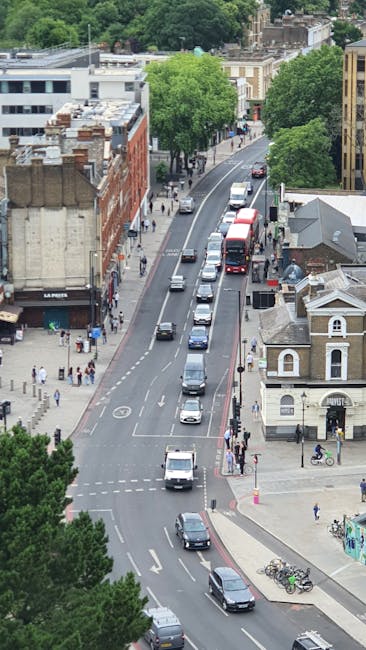
Why Catford Bridge Road removals guide for narrow access Matters
Narrow access changes the whole shape of a move. On a normal street, a removals team can often park close to the entrance, load quickly, and keep the process moving. On a tighter road like Catford Bridge Road, that easy rhythm can disappear fast. A van may need to stop further away. Carry distances become longer. Neighbours may still need access. And the obvious route from door to van is not always the best one.
That matters for three reasons. First, it affects timing. A move that should take two hours can stretch if the team must shuttle items through a narrow gap or around parked cars. Second, it affects safety. Rushing large furniture around corners is how knocks, scrapes, and strained backs happen. Third, it affects costs. More time, more handling, and more planning usually mean a more involved job.
There is also a local reality to consider. Streets around Catford can be busy, and access can feel tighter than it looks on a map. A van may fit in theory, but theory does not unload a washing machine. That is why careful planning beats assumptions every time. If you are comparing removal support, you may also want to look at removal companies in Catford and man with van Catford options to see which type of service suits your property and street layout best.
Put simply: narrow access is not a deal-breaker. It is just a different sort of move, and it needs a different sort of plan.
How Catford Bridge Road removals guide for narrow access Works
The process starts with assessment. Before moving day, you need to understand the road, the entry point, the parking situation, and the size of the items being moved. The aim is to work out how the furniture will travel from inside the property to the vehicle without unnecessary lifting, bending, or backtracking. Sounds simple. Often isn't, but that is the point of planning.
A good narrow-access move usually follows this pattern:
- Measure the route. Check door widths, hallways, stair turns, kerb access, and any front steps or railings.
- Assess the largest items. Sofas, beds, wardrobes, desks, and appliances often create the biggest access issues.
- Choose the right vehicle. A smaller van or a flexible loading setup may work better than a large lorry.
- Plan the loading point. Decide where the van can stop safely and how far items need to be carried.
- Pack for control, not just capacity. Well-packed boxes are easier to stack and carry through tight spaces.
- Allow extra time. Narrow access is slower. Better to budget honestly than pretend otherwise.
If the property is a flat, shared building, or a split-level home, the route inside matters just as much as the road outside. That is why related services like flat removals Catford and house removals Catford are useful reference points when deciding how much support you need.
In practice, the best jobs feel calm because someone has already done the awkward thinking before the truck arrives. That part is easy to underestimate.
Key Benefits and Practical Advantages
A properly planned narrow-access move offers more than just convenience. It can prevent damage, reduce pressure, and make the whole day feel manageable rather than chaotic.
- Less risk of damage. When furniture is routed carefully, there is less bumping into walls, door frames, and banisters.
- Better time control. A route plan helps the crew move in a steadier rhythm, even when the street itself is restrictive.
- Smarter vehicle choice. Not every move needs the biggest van. Sometimes a more compact vehicle is the practical answer.
- Lower stress for you. You know what is happening, where items are going, and what the likely pinch points are.
- Safer handling. Narrow access is where overconfidence becomes expensive. A deliberate approach reduces strain and mistakes.
There is also a commercial upside. Good planning can make quotes more accurate. When a mover understands the access challenges, they can advise whether a standard van, a man and van Catford arrangement, or a more fully supported service is the better fit. That clarity saves a lot of awkward conversations later.
And let's face it, no one wants to discover on moving morning that the sofa is "technically fine" but practically impossible to angle round the bend. Been there? Many people have. Not fun.
Who This Is For and When It Makes Sense
This guide is for anyone moving in or out of a property with limited road access, limited parking, tight entryways, or a tricky internal layout. That could include:
- tenants leaving a flat with a narrow staircase
- homeowners moving from a terraced house with slim frontage
- students with bulky furniture and little outside space
- office teams shifting equipment from a building with restricted loading
- older properties where the hallways are simply not built for modern oversized furniture
It also makes sense if you are moving items that are awkward rather than heavy. A piano, for example, may be hard to manoeuvre even before you reach the van. For that kind of job, specialist support such as piano removals Catford can be more suitable than a general carry service.
Students and renters often need this kind of planning too, especially when moving into compact homes or shared accommodation. If that sounds familiar, student removals Catford may be a better match than a broad-brush solution.
When does it make sense to book help rather than trying to DIY it? Usually when any of these are true:
- you have more than one large item
- there is a long carry from road to door
- parking is uncertain or time-limited
- you need furniture dismantling and reassembly
- the property has awkward internal corners or stairs
If the answer to even one of those is yes, it is worth taking the access issue seriously. A small problem ignored at the start becomes a big one by lunch.
Step-by-Step Guidance
Here is the practical sequence we would recommend for a narrow-access move on Catford Bridge Road or a similar street. Keep it simple, but do not skip the early steps.
1. Walk the route before you book
Stand at the front door and actually walk the route to where the van would need to stop. Measure the narrowest points. Look for awkward steps, gates, low walls, bins, and places where a trolley might snag. If you cannot comfortably carry a box yourself without turning sideways, that is a useful signal.
2. Identify the largest and most awkward items
Not everything needs special handling, but the biggest items do. List anything that may require a second pair of hands, dismantling, or padded protection. Sofas, mattress bases, fridge freezers, and wardrobes usually come first. Small items are easy; the bulky ones set the pace.
3. Decide what should be dismantled
Some furniture is much easier to move in parts. Bed frames, tables, and some wardrobes are worth taking apart. It reduces both width and weight. Be careful with fixings, though. Keep screws and fittings in clearly labelled bags. A tiny bag now saves a lot of muttering later.
4. Choose the right moving set-up
A compact van, a removal van with flexible access planning, or a man-and-van style service may be enough for a smaller move. For larger homes or more delicate loads, a fuller removals team may be safer. If you need transport plus carrying help, man and a van Catford can be a practical middle ground, while removal van Catford support may suit more straightforward transport needs.
5. Pack in a way that suits tight access
Boxes should be sturdy, not overfilled, and ideally easy to stack. Heavy items belong in smaller boxes. Lighter but bulky belongings can go in larger ones. If you need materials, packing and boxes Catford can help you get a more organised load.
6. Confirm parking and timing
Make a realistic plan for where the vehicle will wait, how long it can remain there, and whether you need to avoid busy periods. Early mornings are sometimes easier. Sometimes. Not always. Catford traffic has its own opinions.
7. Keep a clear loading order
Load the items you will want first near the back or in a quick-access section. Put fragile or valuable items where they will not get crushed. A tidy order saves time at the destination, especially if unloading into a narrow hallway or upper-floor flat.
8. Build in a buffer
Even with good planning, tight access can add delays. Give yourself a time buffer for parking, long carries, and the odd unexpected obstacle. One delayed lift does not mean the whole move is going wrong.
Expert Tips for Better Results
Here are a few practical tips that make a real difference on a narrow-access move. Nothing flashy. Just the kind of stuff experienced movers quietly rely on.
- Photograph the access route. Pictures of the hallway, front steps, parking restrictions, and any pinch points help a mover prepare properly.
- Protect corners before the furniture arrives. A bit of padding on corners and door frames can prevent scuffs. Simple, but effective.
- Clear the path inside the property. Shoes, mats, bins, coats, and small tables should be moved out of the way beforehand.
- Keep essentials separate. Documents, chargers, keys, and one kettle box should not disappear into the main load.
- Think vertically. In small spaces, stacking matters. Good packing makes loading less chaotic.
- Ask about insurance and handling. You want to know how fragile or valuable items are protected in transit. The details matter more than people expect.
If the move involves furniture with sentimental value or awkward weight, it is worth choosing a team that understands careful handling. That may be a broader moving package from furniture removals Catford or a more tailored service depending on your load.
Small aside, but useful: if you are moving on a damp day, cardboard softens faster than people think. London weather does what London weather does. Keep the packing dry, and you save yourself some grief.

Common Mistakes to Avoid
The biggest mistakes on narrow-access moves are usually predictable. That is good news, because predictable mistakes are the easiest to prevent.
- Guessing the access instead of measuring it. Eyeballing a doorway is not enough when a wardrobe is involved.
- Booking the wrong vehicle size. Too large can mean access problems; too small can mean extra trips.
- Leaving packing until the night before. That leads to weak boxes, mixed rooms, and wasted time.
- Forgetting parking realities. A van needs somewhere sensible to stop, even if only briefly.
- Not breaking down furniture in advance. If a bed can come apart, do it early.
- Ignoring building rules or neighbour access. Shared entrances, loading bays, and stairwells need a bit of respect.
One more common issue: people assume a short distance from door to van means an easy move. Not necessarily. A 25-metre carry with a staircase and a tight corner can be more tiring than a longer but cleaner route. Distance is only part of the story.
If you are unsure whether your move needs a specialist approach, comparing a few trusted options is worth doing. Start with removals Catford and related service pages, then judge based on your access and furniture, not just the headline price.
Tools, Resources and Recommendations
You do not need a van full of fancy kit to manage narrow access well, but a few tools make life much easier.
- Measuring tape for doors, halls, stairs, and furniture widths
- Furniture blankets to protect surfaces during carry-outs
- Strong tape and marker pens for clear labelling
- Sturdy boxes in mixed sizes so heavy items are not overpacked
- Basic tools for dismantling beds, tables, and shelving
- Gloves with good grip for safer lifting
- Ratchet straps or ties where the team uses them to secure loads
Useful planning resources within the site include pricing and quotes for budgeting, insurance and safety for peace of mind, and about us if you want a better feel for the company behind the service. If you are especially price-sensitive, competitive prices is also worth checking.
For people storing items before or after the move because access is difficult or dates do not line up neatly, storage Catford can be a practical safety valve. That little gap between move-out and move-in is not unusual, and storage can make the whole process a lot calmer.
Law, Compliance, Standards, or Best Practice
With removals, especially in tighter-access settings, the main compliance concern is safety. Good movers should work in line with normal UK manual handling expectations, sensible lifting practice, and careful risk awareness. You do not need a legal lecture, thankfully, but you do need common sense backed by a proper process.
In practical terms, that means:
- lifting loads in a controlled way
- avoiding unnecessary strain on staff or customers
- keeping walkways clear where possible
- protecting walls, floors, and doors from damage
- planning the load so fragile items are not crushed
It is also sensible to understand the mover's terms, payment approach, complaints handling, and privacy practices before booking. That sounds formal, and maybe a bit dull, but it avoids headaches later. You can review terms and conditions, payment and security, complaints procedure, and privacy policy if you want to know how the service is handled.
For environmentally minded moves, it is also sensible to ask about waste reduction, reusable packing, and responsible disposal. The site's recycling and sustainability page is relevant if you are trying to move with less waste and fewer throwaway materials.
Best practice in one line: if the route is tight, the plan should be tighter.
Options, Methods, or Comparison Table
Different moves call for different setups. The right choice depends on property type, load size, and how restrictive the access really is.
| Method | Best for | Strengths | Watch-outs |
|---|---|---|---|
| Man and van | Smaller moves, short carries, flexible scheduling | Simple, adaptable, often cost-effective | May be less suitable for larger households or heavy furniture |
| Standard removals service | Typical home or office moves with moderate access challenges | More support, better for bulk items, smoother coordination | Needs good pre-move information to avoid delays |
| Removal van only | Transport-focused jobs where loading is already organised | Useful if you mainly need vehicle capacity | Less help with carrying and awkward furniture |
| Storage plus move | Staggered dates, decluttering, access issues, or temporary holding | Flexibility and breathing room | Extra planning and an additional step in the process |
For many narrow-access homes, the sweet spot is not "biggest van possible." It is "best fit for the route and the furniture." That may mean a more flexible service such as man with a van Catford or a fuller package if stairs, furniture volume, or timing require it.
Case Study or Real-World Example
Imagine a two-bedroom flat near Catford Bridge Road with a narrow stairwell, a shared entrance, and limited waiting space outside. The owners have a sofa, a bed frame, two wardrobes, and the usual collection of boxes that somehow multiply at the last minute. Classic, really.
In a move like this, the first useful step is not booking a huge van. It is checking the route from front door to road. Once that route is measured, it might become clear that the wardrobes need dismantling and the bed frame should come apart before moving day. The sofa may also need to be carried at a slight angle through the staircase, which means two strong handlers, not one person trying to be heroic.
The moving team then schedules an arrival time that avoids peak street congestion where possible, keeps the loading area clear, and uses a van sized to fit the access rather than overpower it. The result? Less stress, fewer scuffs, and no frantic "it was supposed to fit" moment halfway through the morning.
That kind of move is not unusual. In fact, it is probably the most common kind of narrow-access job: not impossible, just a bit exacting. Once the plan is right, the rest tends to follow.
Practical Checklist
Use this checklist before moving day. It is simple, but it works.
- Measure the narrowest doorway, stair turn, and hallway
- Check where the van can safely stop
- Identify all bulky items and decide what can be dismantled
- Pack heavy items into smaller boxes
- Label boxes by room and priority
- Protect floors, corners, and door frames if needed
- Keep essentials, documents, and valuables separate
- Confirm the arrival time and likely loading order
- Leave extra time for carrying and access delays
- Review insurance, terms, and payment details before the move
If you want a broader service picture before booking, it can help to review removal services Catford alongside the more specific options already mentioned. That way, you are matching the job to the service rather than forcing the move into the wrong box. Literally and figuratively.
Conclusion
A narrow-access move on Catford Bridge Road does not have to be stressful. It just needs good preparation, realistic expectations, and a mover who understands that tight streets require a slightly different rhythm. Measure the route, choose the right vehicle, pack sensibly, and allow space for the unexpected. That alone solves a lot.
The biggest win is usually not speed. It is control. When the plan is clear, the move feels calmer, safer, and far more manageable, even if the road outside is a bit awkward. And that is really the goal, isn't it?
Get a free quote today and see how much you can save.
Whether you are moving a flat, a family home, or a single heavy item, a thoughtful approach to access makes the whole day feel lighter. One careful step at a time, and suddenly the move looks less like a problem and more like a plan.
![Professional Movers Services at Unbeatable Prices in [LOGO_TITLE]](../../pub/actonmovers-banner.png)